

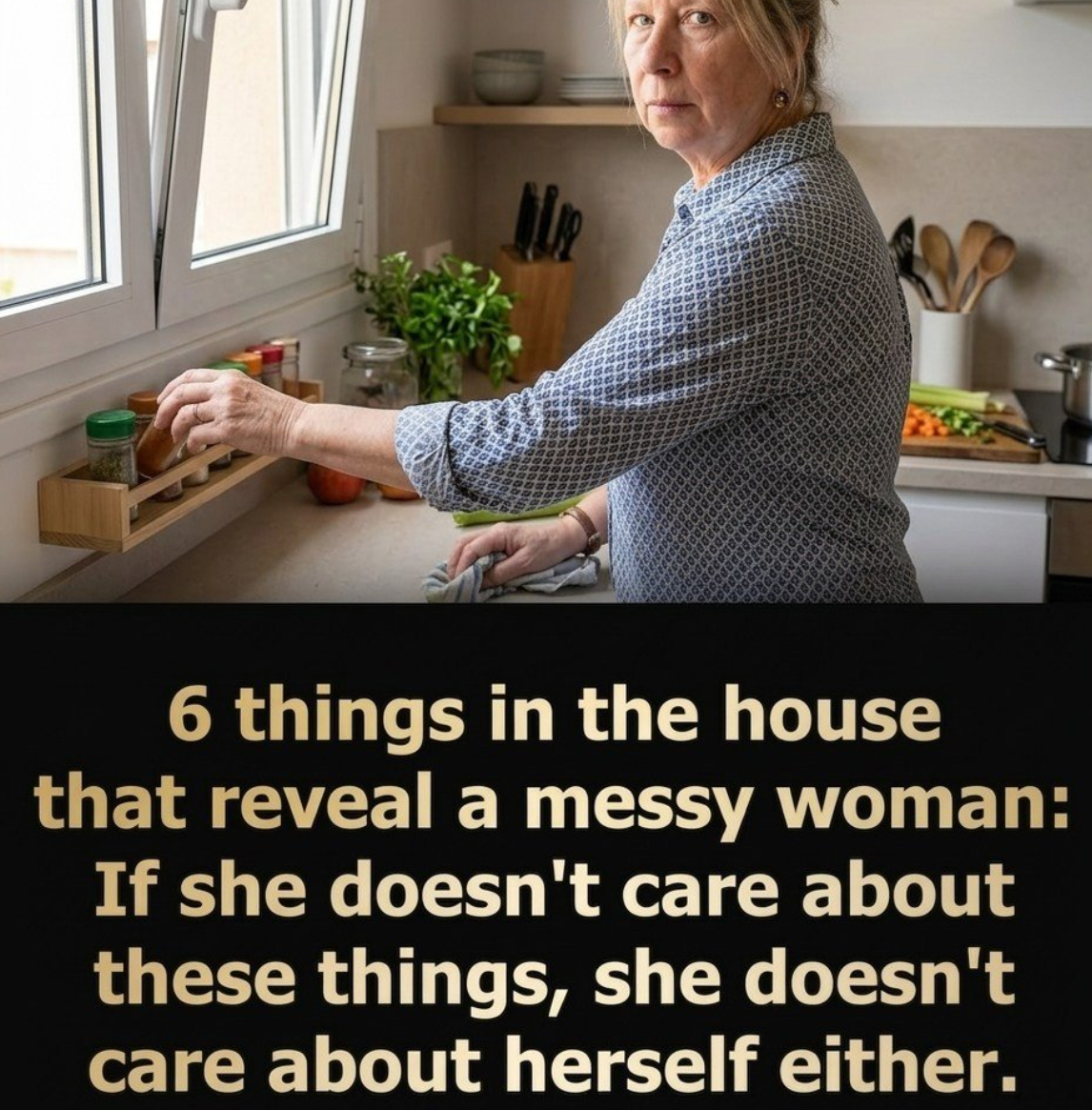
Understanding these dynamics requires contextual awareness:
-
Work pressures
-
Parenting responsibilities
-
Financial strain
-
Health concerns
-
Periods of grief
These factors can dramatically influence how someone interacts with their environment. By appreciating the ways in which homes reflect ongoing life challenges, we gain insight into the intricate link between external spaces and internal states—acknowledging that disorder is often a form of communication rather than a reflection of moral or personal failure.
The Path Forward: Small Interventions, Big Shifts
While the signs of clutter, disorder, or neglect can initially evoke discomfort or judgment, the encouraging reality is that even minor, intentional interventions can transform both a home and the emotional experience of inhabiting it.
Simple Strategies for Change
| Strategy | How to Start |
|---|---|
| Small routines | Make the bed daily. Designate brief periods for tidying one room at a time. |
| Break tasks down | Divide larger cleaning tasks into achievable segments. |
| Sensory enhancements | Adjust lighting, add fresh linens, incorporate scented candles or plants. |
| Focus on function | Aim for a supportive environment, not perfection. |
The Self-Care Connection
Tending to one's home becomes an active form of self-care—a tangible practice that nurtures both body and mind. As individuals witness the incremental transformation of their living spaces, they may also begin to notice improvements in:
-
Mood and energy
-
Focus and productivity
-
Resilience and emotional balance
By consciously shaping their surroundings, people not only create physical order but also establish a psychological foundation from which emotional recovery, growth, and stability can emerge.