

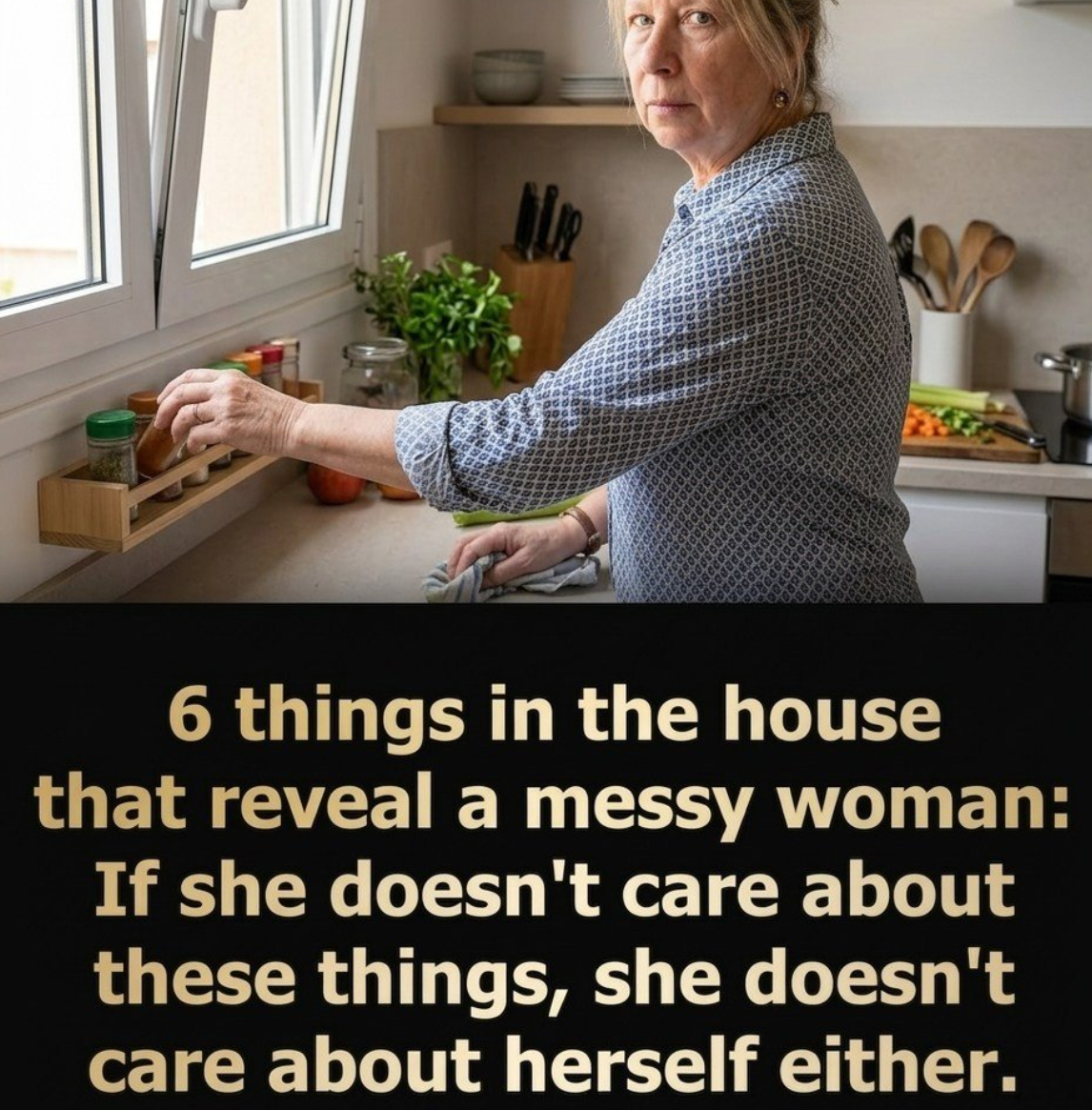
Ultimately, the condition of a home should be understood as a nuanced, layered reflection of human experience rather than a simple measure of tidiness, discipline, or moral worth.
Mess and disorder often signal that a person is:
-
Navigating life under pressure
-
Carrying responsibilities that exceed current capacity
-
Recovering from periods of emotional or cognitive strain
By reframing these conditions as indicators rather than failures, we cultivate an approach of empathy, understanding, and practical intervention that can have profound benefits.
Final Thoughts
Creating intentional routines, engaging in small restorative practices, and gradually addressing disorganization provides not only immediate relief but also long-term reinforcement of well-being, resilience, and self-efficacy.
In this sense, a home becomes more than a passive backdrop. It is a dynamic participant in the life of its inhabitant—capable of reflecting internal states, supporting recovery, and fostering emotional equilibrium.
Through patience, self-compassion, and mindful attention, individuals can transform their living spaces into environments that honor the realities of human life: spaces that encourage comfort, reflection, and ongoing renewal.
Because caring for one's home is, in essence, caring for oneself.
Your space doesn't have to be perfect. It just has to hold you—gently, honestly, and with room to breathe.